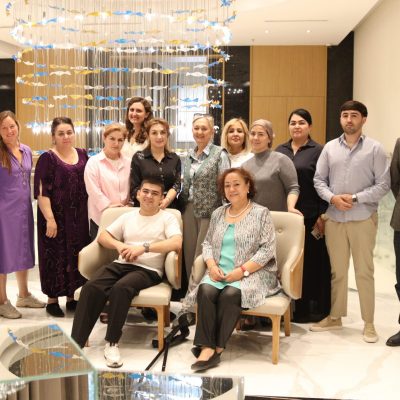
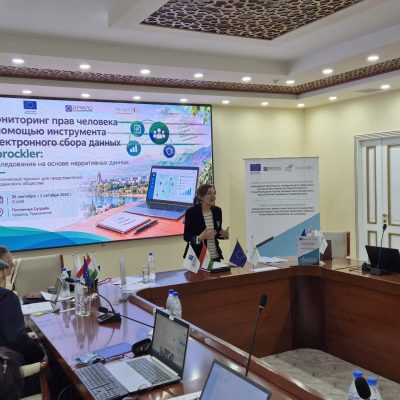
From January 29 to 31, 2019, the second international conference under the project Strengthening and Energizing EU-Central Asia Relations (SEnECA) took place in Almaty. The event included high-level discussions, a training on science policy, and a scenario workshop on EU-Central Asia relations. This conference was the third occasion for members of the SEnECA Consortium from eleven participating countries to meet in person, discuss project progress, and develop new ideas. The conference was organized by the Central Asia Institute for Strategic Studies (CAISS), a Kazakh non-governmental research and analytical center based in Almaty.
The conference, focused on the current state of EU-Central Asia relations, brought together 85 scholars, government representatives, practitioners, and students (including SEnECA partners) from Europe and Central Asia. The EU Special Representative for Central Asia, Ambassador Peter Burian, presented new information on the revised EU strategy for Central Asia, which is currently being finalized and will be released to the public in the summer of 2019. Burian emphasized that sustainable Eurasian engagement is a key priority for the EU, and the report Bringing Europe and Asia Closer – Creating Elements of an EU Strategy, published in October 2018, will serve as a foundation for strengthening economic ties between the two regions. In addition, the ambassador highlighted the importance of improving the situation of youth in Central Asia through initiatives related to employment opportunities, private sector development, and financial investment.
The science policy training provided senior and junior researchers with valuable skills to better “present” their research findings to a wider audience and to develop the most effective approach toward decision-makers. Dr. Sebastian Schik, a researcher at the Science & Policy Foundation, explained how to draft a policy document and shared examples of both successful and unsuccessful publications. One of the key lessons learned during the seminar was that engaging with decision-makers in Central Asia requires far more diplomatic skills than in Europe. Therefore, in the Central Asian context, presentations should be conducted in a less critical and less formal manner.
Overall, the conference offered researchers and stakeholders an excellent opportunity to meet, gain a better understanding of each other’s perspectives, and generate joint ideas within the framework of the project.
More information can be found on the project website: https://www.seneca-eu.net
This project is funded by the European Union’s Horizon 2020 Research and Innovation programme under Grant Agreement No. 770256.